
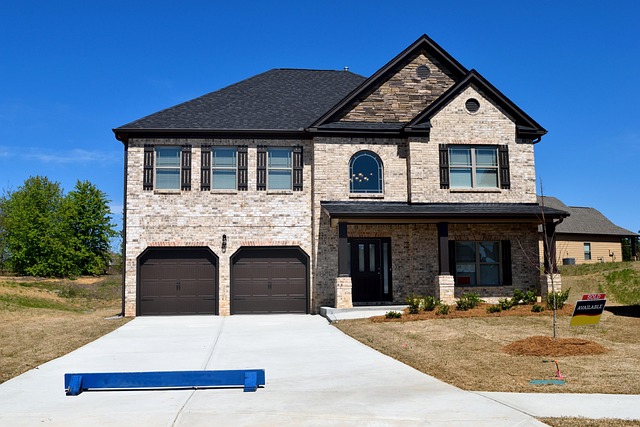
When purchasing a home, emotions often arrive before logic. A charming façade, a freshly renovated kitchen, or a quiet neighborhood can quickly create a sense of confidence that the property is “the one.” While enthusiasm is natural, it can also introduce bias—subtle assumptions that lead buyers to overlook defects that deserve careful attention.
The Power of Visual Bias
One of the most common forms of bias is visual bias. Fresh paint, new flooring, and modern fixtures can give the impression that a home is well maintained throughout. In reality, cosmetic updates may have little connection to what lies behind the walls or beneath the floors. Structural components, electrical systems, insulation, and drainage do not benefit from a new coat of paint, yet they are easy to ignore when the home looks polished on the surface.
Confirmation Bias at Work
Another frequent issue is confirmation bias. Once buyers decide they like a home, they may unconsciously dismiss information that contradicts that decision. A cracked foundation wall may be minimized as “typical for an older home,” or signs of moisture intrusion may be rationalized as a minor issue that can be addressed later. Over time, these justifications can add up, turning manageable concerns into costly repairs after move-in.
Pressure From the Market
Market pressure can also influence judgment. In competitive housing markets, buyers may feel rushed to act quickly or fear losing a property to another offer. This urgency can cause important details to be overlooked or downplayed. Deferred maintenance, aging roofing materials, or outdated safety features might seem less important when the focus is on securing the deal rather than evaluating long-term ownership costs.
Regional Conditions Matter
Regional conditions further complicate the picture. Homes in areas that experience cold winters, snow loads, and seasonal moisture face unique stresses. Ice damming, freeze-thaw foundation movement, and basement water issues are not always obvious during a short showing. Without a deliberate effort to look beyond appearances, these conditions can remain hidden until they become active problems.
Replacing Assumptions With Objectivity
The best way to counter buyer bias is through objective evaluation. Slowing down, asking detailed questions, and relying on a comprehensive inspection can provide clarity. A systematic review of the home’s major components helps separate emotional appeal from physical condition. Understanding where wear is typical and where defects are developing allows buyers to make informed decisions rather than hopeful assumptions.
A More Informed Investment
A home purchase is one of the largest investments most people will make. Recognizing how bias can shape perception is an important step toward protecting that investment. By looking past first impressions and focusing on how a home truly performs, buyers place themselves in a stronger position—one built on knowledge, not just excitement.
