
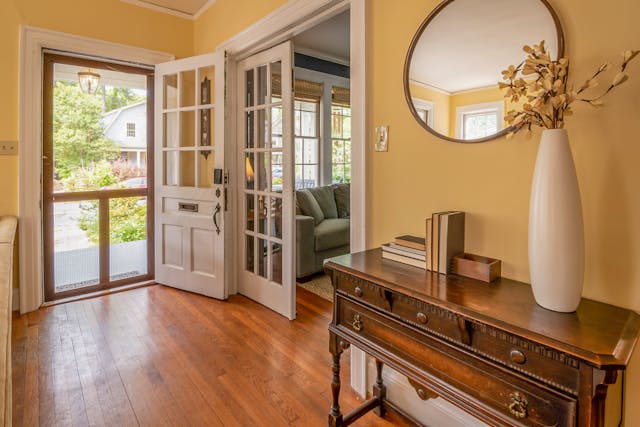
A home can appear pristine—floors gleaming, surfaces dust-free, everything neatly arranged—yet still have underlying issues that aren’t visible at a glance. Cleanliness reflects care, but it does not always reflect condition.
Clean doesn’t mean dry.
Moisture is one of the most commonly overlooked problems in otherwise well-kept homes. Basements and crawl spaces may look spotless while harboring excess humidity or slow water intrusion behind walls. Over time, this can lead to mold growth, wood deterioration, and structural concerns. Cosmetic fixes like fresh paint or the use of dehumidifiers may hide symptoms without addressing the cause.
Electrical systems aren’t visible—but they matter.
Modern lighting and updated fixtures can create the impression of a fully updated home. However, the wiring behind the walls may tell a different story. Outdated systems, overloaded circuits, or unpermitted modifications can exist in even the most polished environments, presenting potential safety hazards.
Plumbing issues frequently stay out of sight.
Not all leaks are obvious. Small, slow drips beneath sinks or within wall cavities can persist undetected for long periods. In a clean home, these issues may go unnoticed until staining, odors, or material damage becomes evident—often after the problem has progressed.
Cosmetic improvements can mask deeper concerns.
Renovations and updates enhance appearance, but they can sometimes conceal underlying defects. New flooring might cover uneven or damaged subfloors. Finished basements may obscure foundation cracks. Even updated kitchens and bathrooms can hide aging or improperly installed plumbing behind walls and cabinetry.
Heating and cooling systems may appear better than they are.
A home that feels comfortable during a visit may still rely on aging or inefficient equipment. Furnaces, boilers, and air conditioning systems can be clean and operational while nearing the end of their service life. Routine maintenance improves performance but does not eliminate wear and eventual failure.
Exterior condition plays a critical role.
Curb appeal can also be misleading. Fresh paint, maintained landscaping, and tidy walkways do not guarantee proper drainage or roof integrity. Water that is not directed away from the structure can gradually impact the foundation, often without immediate visible signs.
Looking beyond the surface.
A clean home is certainly a positive indicator of routine upkeep, but it should not be the sole measure of overall condition. Many of the most significant issues develop out of sight, within systems and structural components that require closer evaluation.
Understanding this distinction helps ensure that appearance does not overshadow function—because the most important aspects of a home are often the ones that aren’t immediately visible.
