
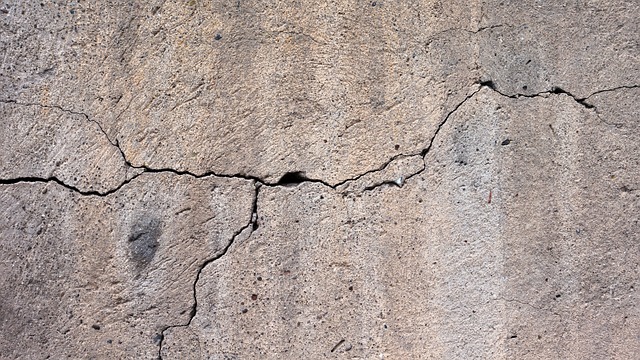
Noticing a crack in your home’s foundation can be concerning, especially when it’s unclear if it’s a natural result of settling or a sign of a more serious structural problem. Foundation cracks come in all shapes and sizes, and while some are purely cosmetic, others may indicate significant issues that could require repairs. Here’s a breakdown of when a crack is likely harmless and when it might be time to take action.
Types of Foundation Cracks
Foundation cracks typically fall into a few categories: vertical, horizontal, and diagonal. Understanding what these cracks indicate can help you better assess the condition of your foundation.
- Vertical Cracks: Vertical cracks are among the most common in foundation walls and are often caused by the natural settling of the structure. In many cases, these cracks are narrow and do not indicate serious structural problems. However, if a vertical crack is more than a quarter-inch wide or extends through multiple levels of the home, it may require further evaluation.
- Horizontal Cracks: Horizontal cracks are typically more serious and often indicate pressure from soil or water pushing against the foundation walls. These cracks are especially concerning if they are wide or appear in basement walls, as they may signal that the foundation is bowing inward. Horizontal cracks are a red flag and should be inspected by a professional.
- Diagonal Cracks: Diagonal cracks are usually caused by uneven settling, where one side of the foundation has shifted more than the other. While small, narrow diagonal cracks might not pose an immediate risk, wider cracks—especially those wider at one end—can indicate substantial movement and may require attention.
When to Worry: Warning Signs of Problematic Cracks
Some signs can help you determine if a foundation crack warrants further inspection:
- Water Leakage: If cracks allow water to seep into your basement or crawl space, it could lead to water damage and mold growth, compromising your home’s health and safety.
- Widening Cracks: If a crack appears to be getting wider over time, it may indicate ongoing movement in the foundation. A quick photo record and periodic measurements can help track changes.
- Doors and Windows Misalignment: If your doors and windows are sticking or becoming misaligned, it could be due to shifting in the foundation.
When to Relax: Harmless Foundation Cracks
If a crack is thin (less than 1/8 inch), vertical, and shows no signs of expansion, it’s likely a minor settling crack and doesn’t require repair. Similarly, hairline cracks in basement floors are common as concrete shrinks over time and usually aren’t problematic unless they allow water to seep through.
Final Thoughts
While many foundation cracks are simply the result of natural settling, some require attention to prevent bigger problems down the line. If you’re ever in doubt about a crack’s severity, consulting a foundation specialist can offer peace of mind and ensure your home’s long-term stability.
