
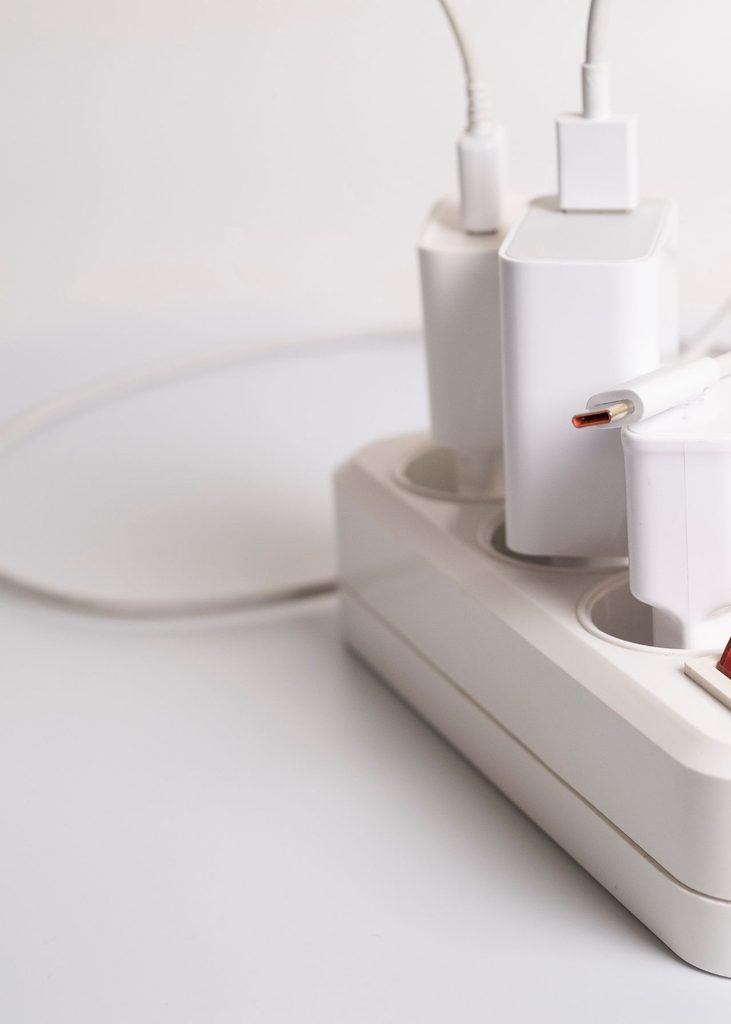
A power strip may seem like an ordinary household accessory, but using one incorrectly can create serious electrical hazards. From home offices and living rooms to basements and garages, power strips provide convenient access to electricity. However, convenience should never come at the expense of safety.
Understanding how to choose, position, and use a power strip properly can help protect your home, your belongings, and the people who live there.
Understanding the Risks of Overloaded Power Strips
One of the most common electrical safety mistakes is plugging too many devices into a single power strip. Every strip has a maximum electrical rating, and exceeding that limit can cause overheating, damage connected equipment, and potentially start a fire.
The danger increases when several high-wattage appliances operate simultaneously. Space heaters, microwaves, and other heat-producing or high-power appliances should generally be plugged directly into a properly rated wall outlet, following the manufacturer’s instructions.
A power strip with multiple outlets does not provide unlimited electrical capacity. Even if every plug fits, the circuit may not safely support the combined electrical demand.
Never Plug One Power Strip Into Another
Connecting one power strip to another, often called daisy-chaining, is a practice to avoid. It can encourage overloading, increase the risk of overheating, and create a confusing tangle of cords.
Plugging a power strip into an extension cord can also introduce additional hazards unless the equipment is specifically designed and approved for that arrangement. The safest approach is to use a properly located wall outlet and a power strip with enough capacity for the intended devices.
If outlets are consistently in short supply, consider having a qualified electrician evaluate whether additional outlets are needed.
Choose the Right Power Strip
Not all power strips offer the same level of protection. Select a product that is appropriately rated for its intended use and carries certification from a recognized testing laboratory, such as UL or ETL.
A surge protector can help protect sensitive electronics against certain voltage surges, but it is not a substitute for proper wiring, grounding, or other electrical safeguards. Look for clear electrical ratings and follow the manufacturer’s installation and replacement instructions.
Avoid damaged, modified, recalled, or poorly constructed products. If a strip feels unusually hot, produces a burning smell, makes crackling sounds, or shows discoloration, stop using it. If it is safe to do so, disconnect it without touching damaged areas and address the underlying problem.
Keep Cords and Connections Safe
Power strips should be placed on a stable, dry surface with adequate ventilation. Avoid hiding them beneath rugs, placing them under furniture where heat can accumulate, or positioning them where they may be exposed to water.
Keep cords away from doorways, sharp edges, and areas where they can be pinched or damaged. Never use a power strip with frayed insulation, loose receptacles, or exposed wiring.
For outdoor use, choose equipment specifically rated for outdoor conditions and follow its instructions.
What to Look for During a Home Safety Check
Take a moment to inspect the power strips throughout your home. Check for overloaded outlets, damaged cords, loose connections, and signs of heat damage. Make sure smoke alarms are installed and functioning, and remember that a circuit breaker is not a guarantee against every electrical fire.
If a breaker repeatedly trips, an outlet feels hot, or lights flicker when appliances operate, do not simply reset the breaker and carry on. Have a qualified electrician investigate the cause.
Make Electrical Safety a Household Habit
Power strips are useful when selected and used correctly, but they should never be treated as a replacement for adequate electrical outlets. A few simple precautions can reduce fire risks, protect valuable electronics, and help keep a home safer.
When it comes to electricity, a convenient connection is only a good one when it is also a safe one.
