
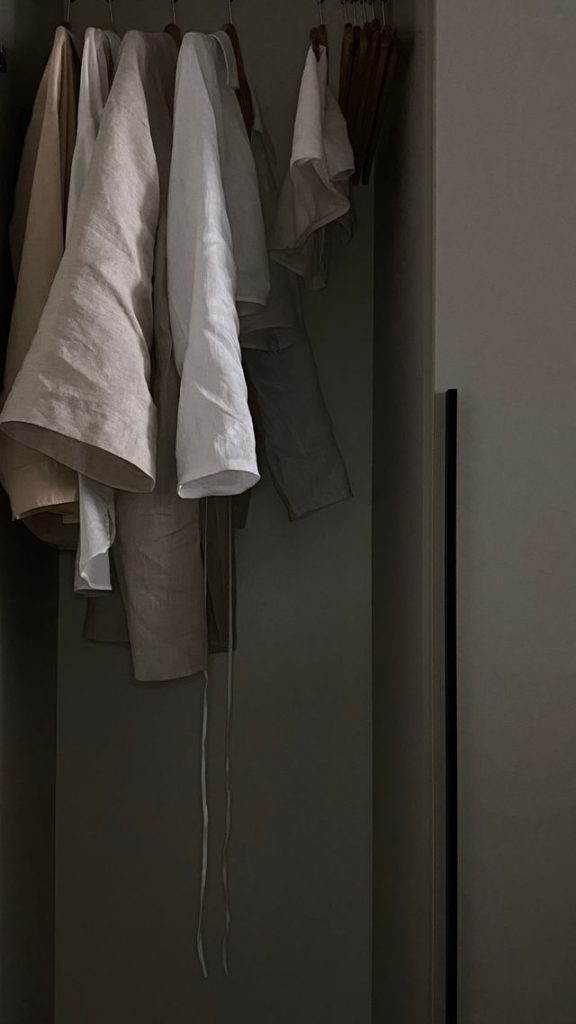
Clothes moths are easy to overlook. Unlike pantry pests or ants, they usually stay out of sight, and the adults are not the insects responsible for damaged clothing. The real trouble comes from the larvae, which can quietly feed on natural fibers in dark, undisturbed areas.
That makes clothes moth activity less about cleanliness and more about what is stored, where it is stored, and how often it is disturbed.
What Do Clothes Moths Eat?
Clothes moth larvae prefer materials containing keratin, a protein found in animal-based fibers. Wool, fur, silk, feathers, and some upholstered materials can all become targets. Clothing contaminated with perspiration, food residue, or other organic material may be especially attractive.
Synthetic fabrics generally are not their preferred food source, although blends or items with natural fibers can still be affected.
One useful clue is the type of damage. Rather than producing large, obvious holes overnight, larvae often leave small, irregular areas of thinning or damage. Webbing, shed larval skins, or tiny cases may also be found around affected items.
Why Closets Can Be a Problem
A closet provides nearly ideal conditions when clothing sits untouched for long periods. Seasonal sweaters, stored blankets, wool rugs, and rarely worn formal clothing can remain undisturbed for months.
Clothes moths also favor dark, quiet locations. That means damage may begin underneath collars, along seams, inside folds, or beneath furniture before it becomes noticeable.
Regularly moving and inspecting stored items is therefore more useful than simply keeping the closet looking tidy.
What to Do If You Find Damage
Start by identifying the source rather than immediately treating everything in the house.
Inspect nearby materials. Check wool garments, rugs, blankets, upholstered furniture, and other animal-fiber items for larvae, webbing, cases, or additional damage.
Clean affected items appropriately. Laundering or dry cleaning can eliminate moths and eggs when the item’s care instructions permit it. Heat from a properly managed dryer cycle can also be effective for suitable fabrics.
Vacuum thoroughly. Pay attention to closet floors, edges, cracks, baseboards, beneath furniture, and other places where lint and fibers collect. Empty the vacuum promptly afterward.
Store vulnerable clothing carefully. Clean garments before long-term storage and use tightly sealed containers or garment bags. Avoid simply returning questionable items to the closet.
Prevention Is the Better Strategy
Clothes moth control is largely a matter of reducing opportunity. Keep closets reasonably clean, avoid allowing natural-fiber garments to sit undisturbed indefinitely, and inspect seasonal clothing when it comes out of storage.
If damage keeps appearing despite cleaning and storage changes, the problem may be more extensive than a single infested sweater. At that point, a careful inspection can help locate overlooked sources and determine whether professional pest control is warranted.
The key point is simple: clothes moths do not need a messy house—they need a quiet place to feed. Regular inspection, proper cleaning, and sealed storage go a long way toward keeping that quiet place from becoming your closet.
