
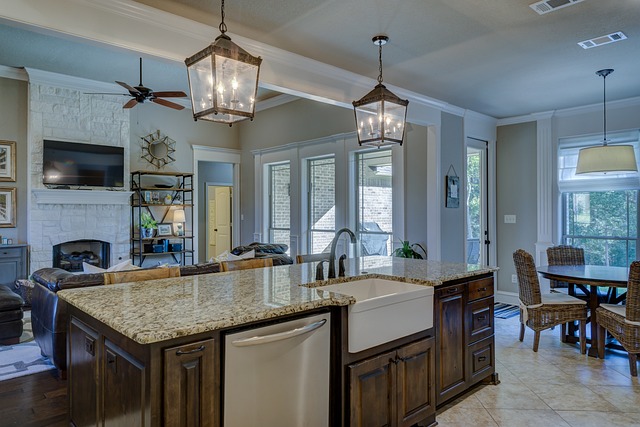
Open concept living has become one of the most requested remodeling trends in recent years. Homeowners love the bright, airy feel that comes from removing walls and combining kitchens, dining rooms, and living spaces into one seamless area. The design photographs beautifully and can make older homes feel more modern overnight.
What often gets overlooked, however, is how complicated these projects can become once demolition begins.
Not Every Wall Is Meant to Disappear
One of the biggest misconceptions in open concept remodeling is the belief that any interior wall can simply be removed. In reality, many walls inside older homes carry structural loads from upper floors or roof systems. Removing the wrong wall without proper engineering can lead to sagging ceilings, uneven floors, cracked drywall, or worse.
In many Connecticut homes, especially colonials and capes built decades ago, structural framing was designed very differently than what is used today. Once walls are opened up, contractors often uncover undersized beams, aging lumber, or previous unpermitted work that complicates the project immediately.
Installing a properly sized beam can solve the issue, but that solution often comes with additional costs, permits, and temporary structural supports during construction.
Hidden Mechanical Surprises
Walls do more than separate rooms. They frequently hide plumbing lines, HVAC ductwork, electrical wiring, and sometimes even chimney chases. Once those walls are removed, all of those systems need a new path.
This is where budgets can quickly spiral. Relocating electrical panels, rerouting heating ducts, or moving plumbing stacks is rarely visible in the final design, yet these upgrades often consume a major portion of the remodeling budget.
Older homes can present even more challenges. Knob-and-tube wiring, outdated plumbing materials, or improperly modified framing can turn a straightforward renovation into a full-scale correction project.
The Sound Problem Nobody Talks About
Open layouts create beautiful sightlines, but they also amplify noise. Without walls to contain sound, kitchens, televisions, dishwashers, conversations, and hardwood floor traffic all compete in one large shared space.
Many homeowners discover this issue only after the remodel is complete. A home that once felt cozy can suddenly feel echo-filled and loud. Smart remodeling plans often include sound-conscious design features such as area rugs, acoustic treatments, softer finishes, or partial architectural separations to balance openness with comfort.
Older Homes Rarely Behave Predictably
Remodeling an older property is rarely as simple as the original blueprints suggest. Settling, hidden water damage, outdated framing methods, and decades of patchwork repairs tend to reveal themselves once demolition starts.
That unpredictability is why experienced contractors usually recommend maintaining a healthy contingency budget. Unexpected conditions are not uncommon — they are practically part of the process.
A Successful Open Concept Starts Before Demolition
The best open concept remodels are carefully planned long before the first wall comes down. Structural evaluations, permit reviews, and realistic budgeting make a major difference in how smoothly a project unfolds.
An open floor plan can absolutely improve flow, natural light, and functionality. But behind every polished “after” photo is careful engineering, skilled workmanship, and a clear understanding of what the house can realistically support.
Done properly, open concept remodeling creates space that feels timeless rather than trendy — and avoids turning a dream renovation into an expensive structural lesson.
