
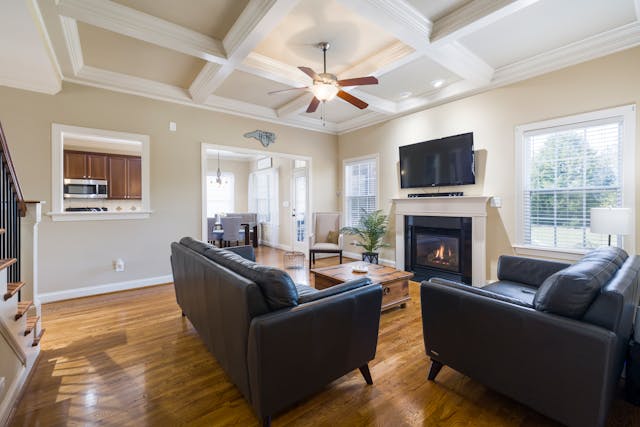
First Impressions Start with Light
Walk into any home and one of the first things that stands out—often without realizing it—is the quality of light. Natural light has a way of making spaces feel open, clean, and inviting. Rooms with ample daylight tend to highlight architectural details, reveal the true condition of surfaces, and create a sense of comfort that artificial lighting simply can’t replicate.
From a practical standpoint, natural light also exposes things that might otherwise go unnoticed. Subtle wall imperfections, uneven flooring, or aging materials are far easier to spot in daylight. This makes lighting not just an aesthetic feature, but a functional one as well.
The Direction of Light Matters
Not all sunlight is created equal. Homes with southern exposure generally receive consistent, balanced light throughout the day, while eastern-facing rooms benefit from bright mornings and softer afternoons. Western exposures can bring in strong afternoon light, sometimes leading to overheating or glare if not managed properly.
Understanding how sunlight moves through a home can influence everything from energy efficiency to comfort levels. Well-placed windows can reduce reliance on artificial lighting and even help with passive heating during colder months.
Layout: The Flow of a Home
Beyond light, the layout plays a critical role in how a home functions day to day. A well-designed floor plan allows for natural movement between spaces without feeling cramped or disjointed. Open layouts tend to maximize light distribution, allowing it to travel deeper into the home.
On the other hand, segmented layouts—common in older properties—can limit light flow and create darker interior spaces. While these layouts can offer privacy and defined areas, they often benefit from thoughtful updates like widened doorways or added openings to improve circulation and brightness.
Hidden Impacts on Maintenance and Longevity
Light and layout don’t just influence how a home feels—they can affect how it holds up over time. Areas that receive little sunlight are more prone to moisture buildup, which can lead to issues like mold or material deterioration. Proper airflow, often tied closely to layout, is equally important in preventing these concerns.
Conversely, excessive direct sunlight can fade flooring, damage finishes, and increase indoor temperatures. Window placement, shading, and materials all play a role in balancing these effects.
Practical Takeaways for Homeowners
When evaluating a home, it’s worth paying attention to how light interacts with each room throughout the day. Notice which areas feel naturally bright and which rely heavily on artificial lighting. Consider how the layout supports everyday activities—whether it encourages easy movement or creates unnecessary obstacles.
Small changes can make a noticeable difference. Adding reflective surfaces, adjusting window treatments, or even rethinking how rooms are used can improve both light and flow without major renovations.
Final Thoughts
A home’s natural light and layout are more than design features—they are essential elements that influence comfort, efficiency, and long-term condition. Paying close attention to these aspects provides a clearer understanding of how a home truly performs, beyond what’s visible at first glance.
