
Green roofs, also known as living roofs or vegetated roofs, are becoming increasingly popular in cities around the world. In this blog, we’ll dive into the pros and cons of green roofs, exploring how they can be both a boon and a challenge for our urban landscapes.
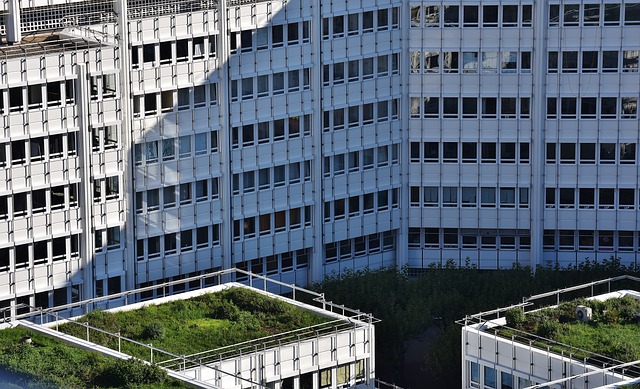
One of the most significant advantages of green roofs is their ability to mitigate the urban heat island effect. The vegetation on green roofs helps absorb and dissipate heat, reducing the temperature in densely populated urban areas.
Plants on green roofs act as natural air filters, removing pollutants and carbon dioxide from the air and releasing oxygen, contributing to cleaner urban air.
Green roofs provide excellent insulation, reducing the need for air conditioning in the summer and heating in the winter. Green roofs also add a touch of natural beauty to urban landscapes, making buildings more visually appealing.
While there are even more benefits to green roofs than we have mentioned, what about the disadvantages? Here are a few: green roofs can be costly to install due to the need for specialized materials and labor. Ongoing maintenance, including weeding, pruning, and irrigation, can also add to the overall expense.
Not all buildings can support the weight of a green roof. Retrofitting older structures may be costly or impossible.
The engineering and structural aspects of green roof installation must also be carefully planned to ensure safety and longevity.
If not installed correctly, green roofs can pose a risk of water leakage into the building, potentially causing damage to the structure and interior.
If you are considering the installation of a green roof, always make sure to do plenty of research and see whether this type of roof would be right for you.
