
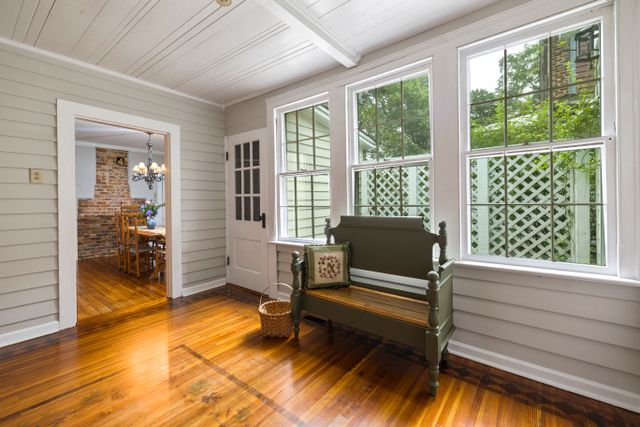
More Than Just Age in the Air
Walk into an older home and you may notice a distinct smell almost immediately. Some people describe it as musty, dusty, woody, or simply “like an old house.” While age certainly plays a role, that familiar scent is often more than a reminder of years gone by. In many cases, it offers valuable clues about what’s happening behind the walls, beneath the floors, or above the ceilings.
Understanding what causes these odors can help homeowners recognize when a home simply has character—and when it may need a closer look.
Moisture Is Often the Biggest Clue
One of the most common reasons for an old house smell is excess moisture. Basements, crawl spaces, and attics are especially prone to damp conditions, particularly in homes that have settled over decades. When humidity lingers, mold and mildew can begin growing on wood, insulation, drywall, or stored belongings.
Even if mold isn’t visible, a persistent musty odor can be an early warning sign that moisture is finding its way into places it shouldn’t.
Years of Materials Holding Onto Odors
Older building materials naturally absorb smells over time. Wood framing, plaster walls, carpeting, and insulation can retain decades of cooking, tobacco smoke, pets, fireplaces, and everyday living. These trapped odors may become more noticeable during humid weather or after a home has been closed up for an extended period.
Sometimes improving ventilation is enough to freshen the air. Other times, lingering odors point to materials that have reached the end of their useful life.
Ventilation Matters More Than Many Realize
Homes need to breathe. When airflow is limited, stale air and humidity become trapped indoors, allowing odors to linger. Blocked attic vents, poorly ventilated bathrooms, and closed crawl spaces can all contribute to that unmistakable “old house” smell.
Improving air circulation doesn’t just create a fresher indoor environment—it also helps reduce the conditions that allow moisture-related problems to develop.
Don’t Ignore Hidden Water Problems
A smell that seems strongest near a particular room, basement corner, or ceiling may indicate an active issue rather than simple age. Slow plumbing leaks, roof leaks, foundation seepage, or condensation around HVAC equipment can all introduce moisture that remains hidden for months before visible damage appears.
By the time stains or warped materials become obvious, repairs may be more extensive than if the issue had been identified earlier.
A Helpful Reminder
Not every older home with a distinctive smell has a serious problem. Many historic and well-maintained homes have unique scents simply because of their age and original materials. However, persistent musty odors deserve attention, especially when they’re accompanied by dampness, high indoor humidity, or visible signs of water intrusion.
Paying attention to what a home is “telling” you through its smell can lead to early discoveries, more affordable repairs, and a healthier indoor environment. Sometimes the nose notices a problem long before the eyes do.
