
Most homeowners pay close attention to obvious maintenance issues like roof leaks, faulty wiring, or plumbing problems. Indoor air, however, is something that often goes unnoticed because it cannot be seen. Unfortunately, poor air quality can affect comfort, health, and even the long-term condition of a home before there are any visible warning signs.
This is where air quality sensors can provide real value. But are they necessary for every home? The answer depends on your home, your lifestyle, and what you hope to learn.
What Does an Air Quality Sensor Measure?
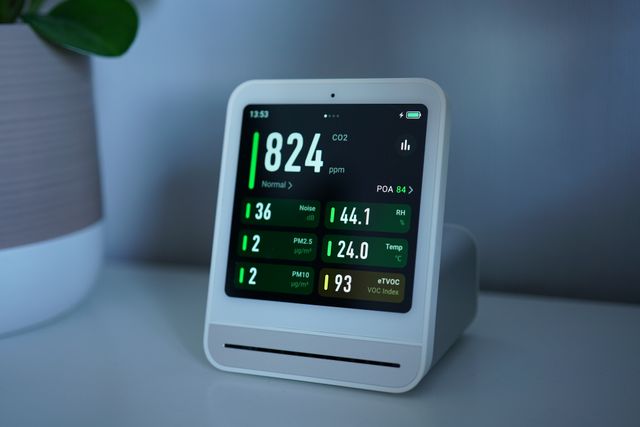
Modern air quality sensors monitor a variety of indoor conditions. Depending on the model, they may detect:
- Carbon dioxide (CO₂)
- Volatile organic compounds (VOCs)
- Fine particulate matter (PM2.5)
- Temperature
- Humidity
These readings can reveal issues that might otherwise go unnoticed. Elevated humidity may encourage mold growth, while high particle levels could point to poor filtration, dust buildup, or inadequate ventilation.
The Benefits of Monitoring Indoor Air
One of the greatest advantages of an air quality sensor is awareness. Instead of guessing whether the air in a home is healthy, homeowners can make informed decisions based on real data.
For example, if VOC levels rise after painting a room or installing new flooring, opening windows or increasing ventilation can help clear the air more quickly. If humidity remains consistently above recommended levels, a dehumidifier may help reduce the risk of mold and moisture damage.
These small adjustments can improve both comfort and the overall indoor environment.
Are They Worth the Investment?
For many households, the answer is yes.
Homes that are tightly sealed for energy efficiency often benefit the most because less fresh air naturally enters the building. Families with allergies, asthma, pets, or young children may also appreciate having a better understanding of indoor air conditions.
That said, an air quality sensor is not a substitute for regular home maintenance. It cannot fix clogged HVAC filters, water leaks, or poor ventilation. Instead, it serves as an early warning tool that helps identify when something may need attention.
Choosing the Right Sensor
Not every sensor offers the same level of accuracy or the same features. Look for a model that measures multiple air quality factors rather than relying on a single reading. Easy-to-understand displays, reliable mobile apps, and a good reputation for accuracy are all worthwhile considerations.
It’s also important to remember that consumer-grade sensors are designed to monitor trends rather than provide laboratory-level measurements. They are excellent for everyday use but should not replace professional testing if a serious indoor air problem is suspected.
Final Thoughts
An air quality sensor is not an essential purchase for every homeowner, but it can be a valuable addition to many homes. By providing real-time information about the air you breathe every day, these devices help identify problems before they become larger concerns.
Like smoke alarms and carbon monoxide detectors, air quality sensors are another tool that supports a healthier, more comfortable home. They don’t eliminate problems on their own, but they can provide the information needed to take action at the right time—and that knowledge is often well worth the investment.
