
When a home is getting ready to go on the market, it is perfectly reasonable to tackle a few repairs. Fresh paint, a dripping faucet, or a loose handrail are all worthwhile improvements.
But sometimes a quick fix can have the opposite effect of what was intended. Instead of reassuring a home inspector, it may prompt a closer look.
Here are five common “fixes” that can raise questions during a home inspection.
1. Fresh Paint in One Very Specific Area
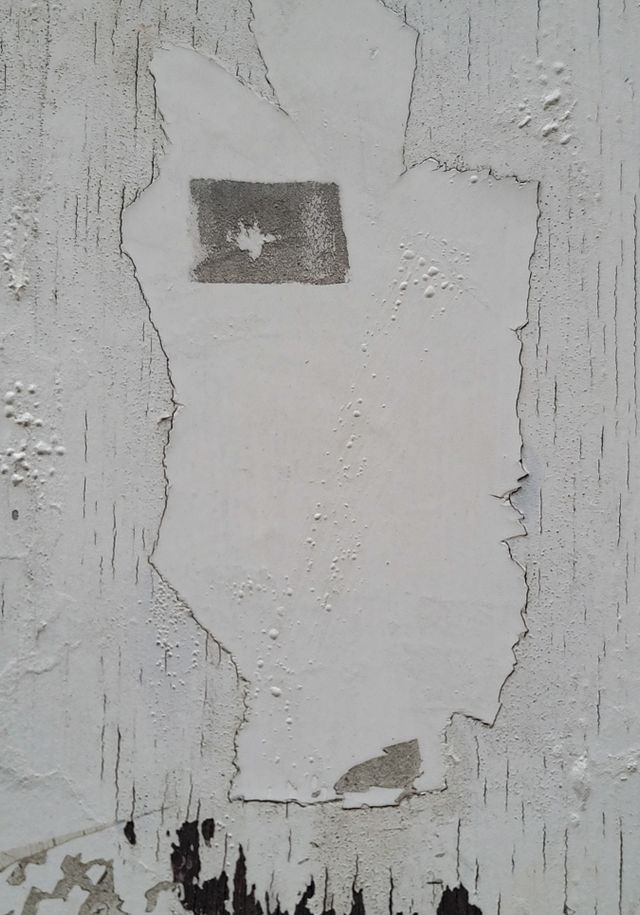
A freshly painted room is nothing unusual. A freshly painted patch on an otherwise older wall or ceiling can be another story.
A small, neatly painted section may simply cover an old nail hole. It could also be hiding evidence of a previous leak, staining, or moisture damage. An inspector won’t automatically assume the worst, but an unusual patch can be a reason to investigate further.
2. A Brand-New Ceiling Tile
Replacing a damaged ceiling tile is inexpensive and can make a room look much better. However, if one tile is noticeably newer than all the others, the question becomes: why?
In areas such as bathrooms, basements, and around mechanical equipment, ceiling damage can sometimes be associated with past plumbing leaks or condensation. The new tile isn’t necessarily a problem. It’s the unexplained difference that attracts attention.
3. Fresh Caulk Everywhere
Caulk has its place. It is useful around tubs, showers, sinks, and other areas where a proper seal is needed.
But excessive or sloppy caulking can look like an attempt to cover a defect rather than make a legitimate repair. Thick beads around a tub, window, foundation crack, or plumbing fixture may lead an inspector to examine the area more carefully.
Good maintenance should look like maintenance—not camouflage.
4. New Soil Piled Against the Foundation
Adding soil around the foundation can make landscaping look finished, but changing the grade without addressing drainage can create a different concern.
Soil should generally slope away from the house so rainwater is directed away from the foundation. Raising the ground level against siding or covering portions of the foundation can also obscure conditions that an inspector needs to evaluate.
Sometimes moving dirt around simply moves the question somewhere else.
5. Covering Up an Old Problem Instead of Fixing It
This is the big one.
Whether it’s a piece of plywood over damaged flooring, a rug covering a suspicious stain, or storage boxes strategically placed in front of a wall, covering a problem rarely makes it disappear during an inspection.
Inspectors are trained to look at the condition of the home as it exists on inspection day. Obstructed areas may be reported as inaccessible, and anything that looks deliberately concealed may warrant additional questions or evaluation.
The Better Approach
The goal before an inspection shouldn’t be to make every imperfection disappear. Homes are lived in, and inspectors understand that.
If something has been repaired, document the repair and be prepared to explain it. Receipts, permits where applicable, contractor information, and records of previous water or structural repairs can provide useful context.
A straightforward repair is usually far more reassuring than a suspiciously perfect cover-up.
In other words, don’t worry about making a house look flawless. Focus on making it honest, safe, functional, and accessible. That’s a much better way to approach an inspection.
