
Preparing for a home inspection can feel daunting, but the truth is, many of the red flags inspectors find are surprisingly simple to address. By tackling these common issues yourself, you can boost your home’s appeal and sidestep avoidable setbacks. Here are some straightforward DIY fixes to help your property shine during the inspection.
Light the Way: Fix Electrical Issues
Inspectors often encounter faulty outlets, flickering lights, or non-functional switches. To avoid this, replace burnt-out bulbs and test each outlet with a plug-in tester (readily available at hardware stores). Tighten loose outlet covers and switch plates, and ensure your home has Ground Fault Circuit Interrupters (GFCIs) installed in wet areas like bathrooms and kitchens.
Seal Drafts and Leaks
Drafty windows and doors not only spike energy bills but can also raise concerns during an inspection. Use weatherstripping or caulk to seal gaps around frames. Additionally, check under sinks and around toilets for minor leaks. Replace worn-out washers or use plumber’s tape to tighten loose connections.
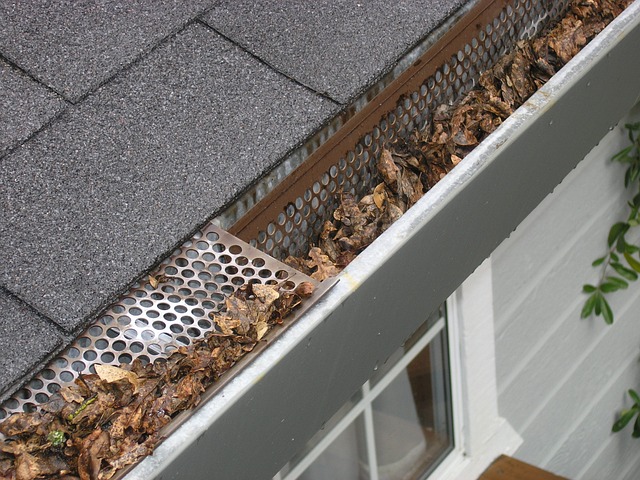
Clear the Gutters
Clogged gutters can lead to water pooling near the foundation, which can be a big red flag for inspectors. Remove debris from gutters and downspouts, ensuring water flows freely. For added assurance, check for sagging sections and secure them firmly to the fascia.
Tidy Up the HVAC System
A clean HVAC system not only improves air quality but also signals regular maintenance. Replace the air filter, vacuum vents, and ensure there are no obstructions around the outdoor unit. Turn the system on to confirm it heats and cools effectively.
Patch and Paint
Inspectors pay close attention to the condition of walls and ceilings. Address cracks, nail pops, or peeling paint with a quick patch and repaint. Opt for neutral tones to create a clean, fresh appearance.
Test Safety Features
Ensure smoke detectors, carbon monoxide alarms, and fire extinguishers are functional and up-to-date. Replace dead batteries and test devices to confirm they’re in working order.
Secure Railings and Steps
Loose railings or wobbly steps can be a safety hazard. Tighten screws, replace damaged boards, and ensure all handrails are securely anchored.
By addressing these manageable issues, you can not only improve your home inspection report but also add value and peace of mind for potential buyers. Taking the time to prepare shows pride in ownership—and that goes a long way.
